
JJ ENTERPRISE BLOG
How a copper busbar goes from your drawing to delivery
Busbars look simple, but a bar that fits first time depends on getting a chain of small decisions right. This is the route a typical copper or aluminum busbar takes through our works.
1. Design review
We start with your drawing. We check the material and section, the hole pattern, bend radii and the plating or finish you have asked for. If a dimension is missing or a bend looks difficult to form in the specified section, we raise it before any metal is cut.
2. Process planning
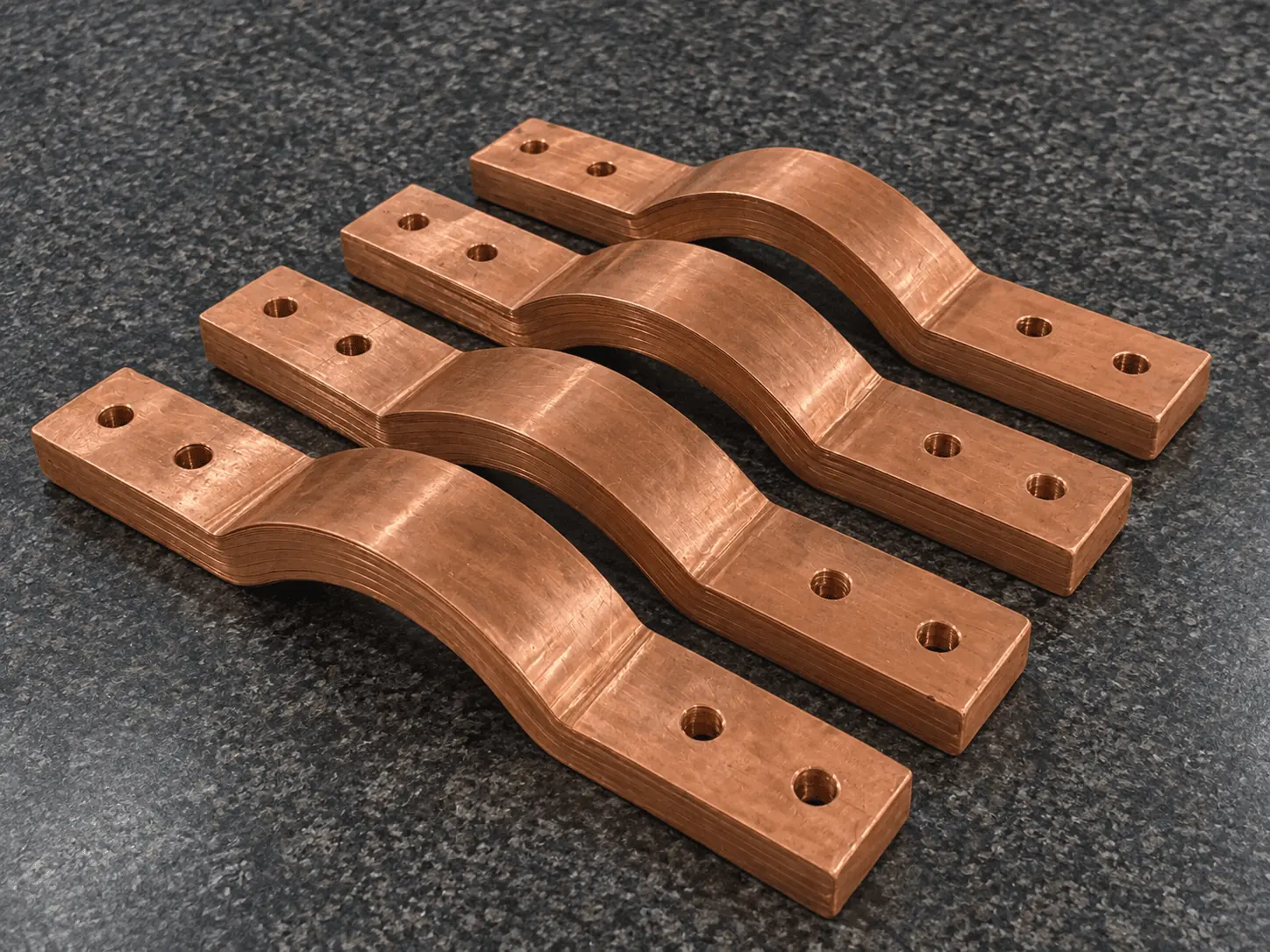
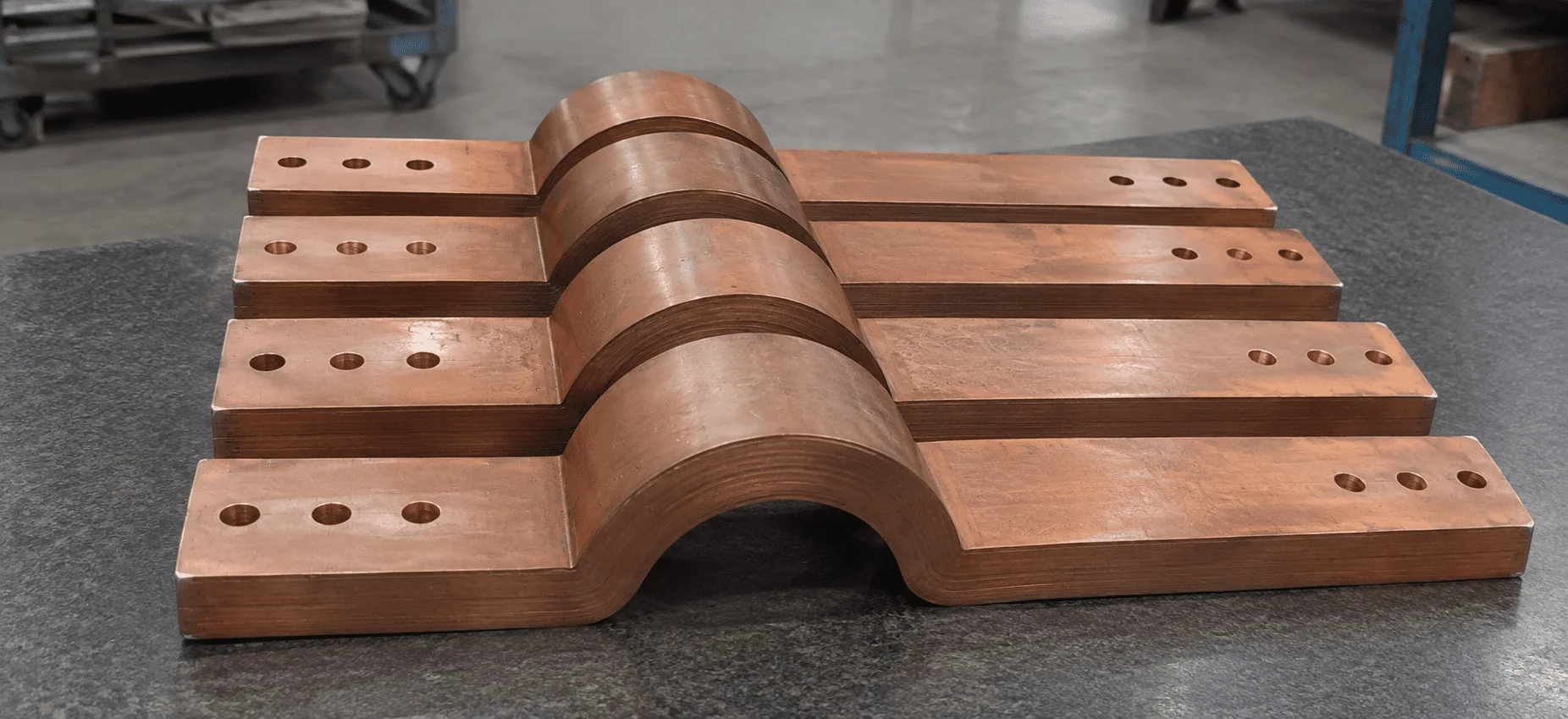
Each bar is planned as a sequence of operations: cutting to length, punching or drilling the holes, bending or forming, deburring and finishing. For a formed link with an arched centre, the forming step is set up with a dedicated fixture so every piece in the batch comes out the same.
3. Costing
With the process fixed, we cost the job on the copper or aluminum required, the operations involved and the quantity. Larger batches reduce the set-up cost per piece, which is why we ask about your expected annual quantity as well as the first order.
4. Production
Bars are cut, punched, drilled and formed on our own machines. Spreaders and terminal links follow the same route, with brazing or machining added where the drawing calls for it.
5. Quality
Finished bars are checked against the drawing for length, hole positions and bend angles before they are packed. Critical dimensions can be recorded on an inspection report if your order requires one.
If you have a busbar, spreader or terminal link to make, send us the drawing and we will come back with a quotation.